Kenya Coffee & End-to-End Logistics
Kenya is globally recognized for producing some of the most distinctive and high-quality specialty coffees. For international buyers, roasters, and importers, success depends not only on sourcing exceptional beans but also on managing efficient, reliable end-to-end logistics.
1. Coffee Production at Origin
Kenyan coffee is grown by smallholder farmers and estates in key regions:
- Nyeri
- Kirinyaga
- Murang’a
- Embu
Altitude, varieties, and selective harvesting all contribute to premium quality.
2. Processing & Milling
Washing Stations
- Cherry sorting and pulping
- Fermentation and washing
- Sun drying on raised beds
Dry Milling
- Hulling and grading
- Sorting into AA, AB, PB
3. Quality Control & Cupping
- Evaluated by Q-graders
- Scored for aroma, acidity, body
- Lots prepared for sale
4. Sales Channels
Auction System
Transparent weekly auctions with competitive pricing.
Direct Trade
Relationship-based sourcing with traceability and exclusivity.
5. Export Preparation
- GrainPro-lined or vacuum packaging
- Certificates (origin, phytosanitary, quality)
- Commercial invoices and packing lists
6. Inland Transport
Transported to Mombasa port via truck (1–2 days), often with temporary warehousing.
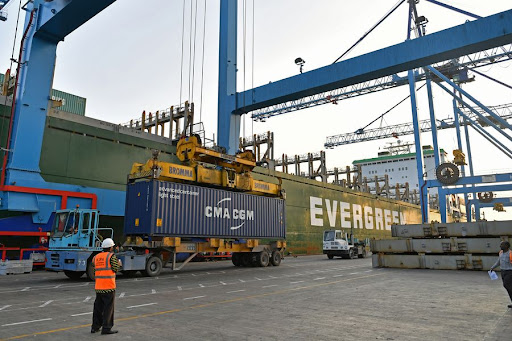
7. Ocean Freight
- Port: Mombasa
- Transit: 4–6 weeks to U.S.
- FCL or LCL shipping options
- Moisture protection using liners
8. Import & Customs Clearance
- FDA and USDA compliance
- Customs documentation
- Duties and inland transport
9. Warehousing & Distribution
Stored in controlled environments and distributed to roasters with full traceability.
10. Risk Management
- Shipping delays
- Moisture damage
- Price and currency fluctuations
Final Thoughts
Kenya coffee offers unmatched quality, but maximizing value requires understanding the full supply chain. Efficient logistics ensures consistent quality, timely delivery, and stronger sourcing relationships.

Leave a Reply